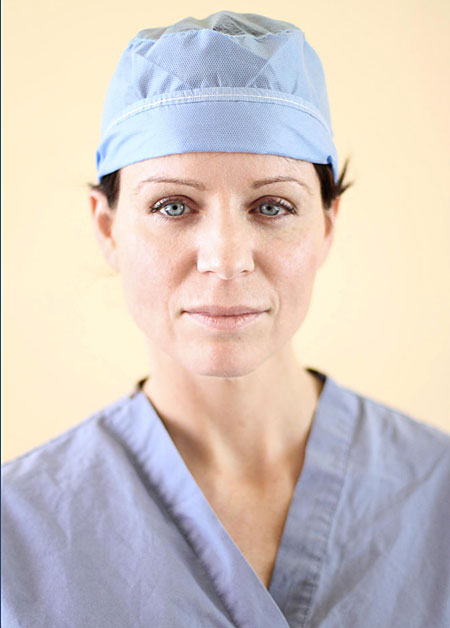
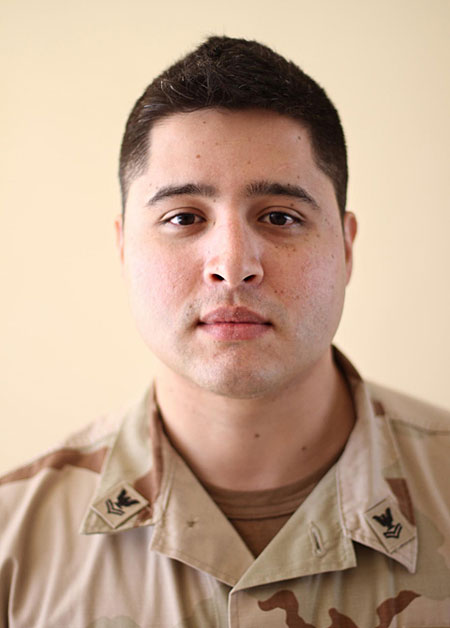
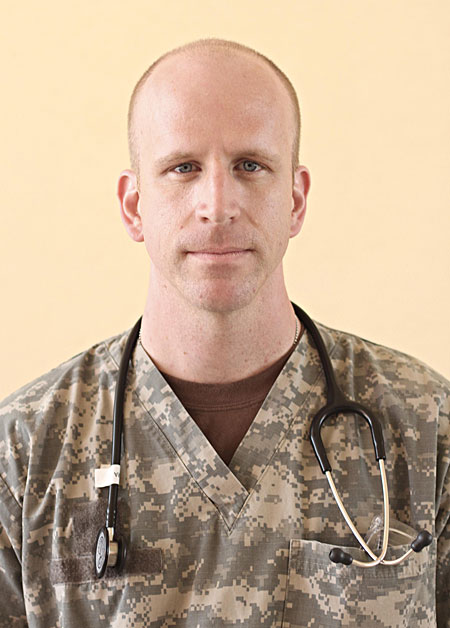
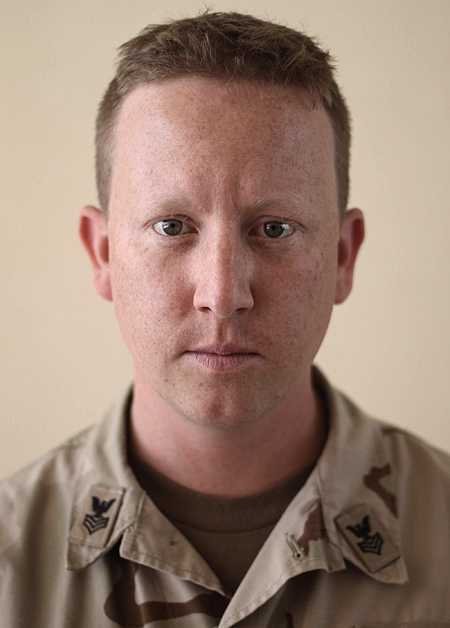
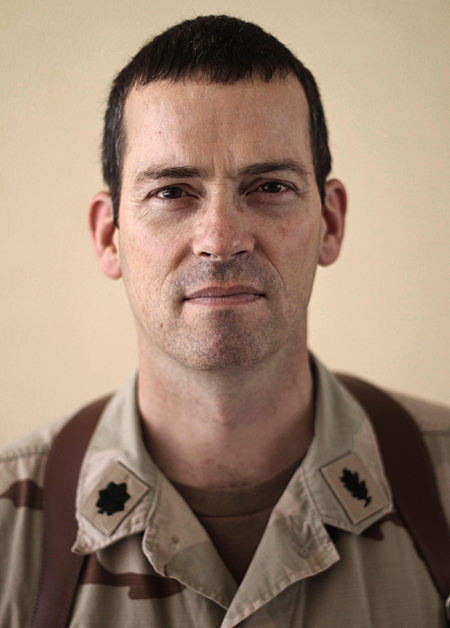
LT. JOELLE ANNANDONO
She is an orthopedic physician assistant who finished her orthopedic fellowship at Portsmouth Naval Medical Center in August 2010.
How has this trip affected you?
"It gives me much more of a perspective. When I see an amputee in uniform, I think of them in the trauma bay. It makes me respect the challenges the patients undergo. … I look at my own life, and I feel lucky. I have everything - I have my sight, I have my mind, and my arms and legs."
She is an orthopedic physician assistant who finished her orthopedic fellowship at Portsmouth Naval Medical Center in August 2010.
How has this trip affected you?
"It gives me much more of a perspective. When I see an amputee in uniform, I think of them in the trauma bay. It makes me respect the challenges the patients undergo. … I look at my own life, and I feel lucky. I have everything - I have my sight, I have my mind, and my arms and legs."
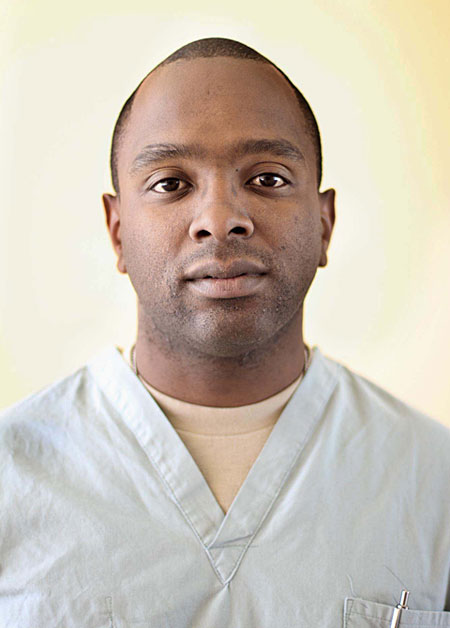
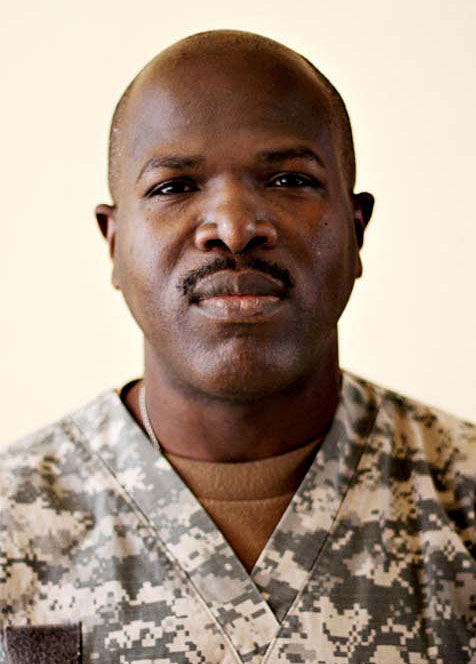
Lt. Riley Williams
Certified registered nurse anesthetist at the NATO Role 3 Multinational Medical Unit. Williams got an undergraduate degree from Norfolk State University and a master's degree at Hampton University. He was a staff nurse at Portsmouth Naval Hospital from 2002-2006. He's currently stationed in Okinawa.
How has this trip affected you?
"When I came here, I didn't really know what to expect. Many of the soldiers would die if we didn't take care of them, so it gives me a greater sense of pride, and it's also humbled me. When you see a person on death's door, you want to do as much as you can to help that person. When you come here and experience it in person, it changes you forever."
Certified registered nurse anesthetist at the NATO Role 3 Multinational Medical Unit. Williams got an undergraduate degree from Norfolk State University and a master's degree at Hampton University. He was a staff nurse at Portsmouth Naval Hospital from 2002-2006. He's currently stationed in Okinawa.
How has this trip affected you?
"When I came here, I didn't really know what to expect. Many of the soldiers would die if we didn't take care of them, so it gives me a greater sense of pride, and it's also humbled me. When you see a person on death's door, you want to do as much as you can to help that person. When you come here and experience it in person, it changes you forever."
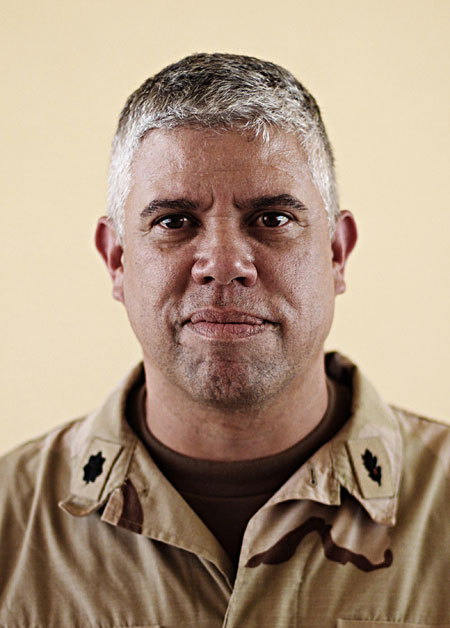
CMDR. GIL SEDA
He is medical director of the hospital's intensive care unit. He did his internal medicine residency at Portsmouth Naval Medical Center from 2004-2007.
How has this trip affected you?
"It's given me more respect for the soldiers that have put their lives on the line, the sacrifices they endure for their country. Seeing all the trauma daily gives me an appreciation of how dangerous it is here. It's pretty difficult seeing the blast wounds, the amputees, the gunshot wounds. The guys we see coming through here have a lot of injuries and it's heartbreaking."
He is medical director of the hospital's intensive care unit. He did his internal medicine residency at Portsmouth Naval Medical Center from 2004-2007.
How has this trip affected you?
"It's given me more respect for the soldiers that have put their lives on the line, the sacrifices they endure for their country. Seeing all the trauma daily gives me an appreciation of how dangerous it is here. It's pretty difficult seeing the blast wounds, the amputees, the gunshot wounds. The guys we see coming through here have a lot of injuries and it's heartbreaking."
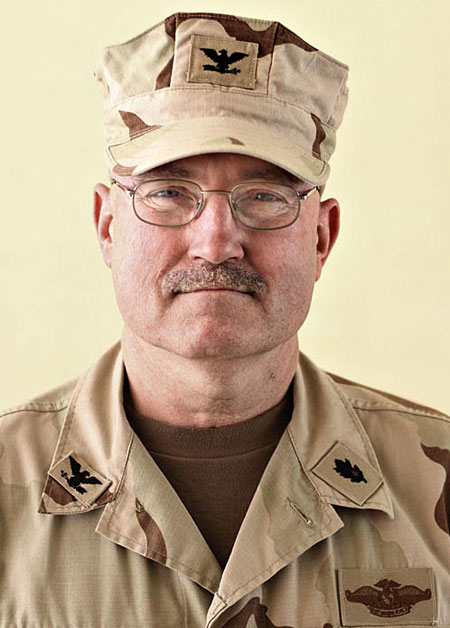
Capt. TIM MCCULLOUGH
He is the NATO Role 3 Multinational Medical Unit director of surgical services. A Suffolk resident, he is also a staff general surgeon at Portsmouth Naval Medical Center.
How has this trip affected you?
"I don't think you can go through anything like this without being changed - for the better and worse. It's tough to see American and coalition hurt and killed. I just want the chance to save some of these guys. It's disappointing when we don't. Nobody wants to be busy here, but unfortunately that's the nature of this. You just hope for a better tomorrow for Afghans, for us, for everybody."
He is the NATO Role 3 Multinational Medical Unit director of surgical services. A Suffolk resident, he is also a staff general surgeon at Portsmouth Naval Medical Center.
How has this trip affected you?
"I don't think you can go through anything like this without being changed - for the better and worse. It's tough to see American and coalition hurt and killed. I just want the chance to save some of these guys. It's disappointing when we don't. Nobody wants to be busy here, but unfortunately that's the nature of this. You just hope for a better tomorrow for Afghans, for us, for everybody."
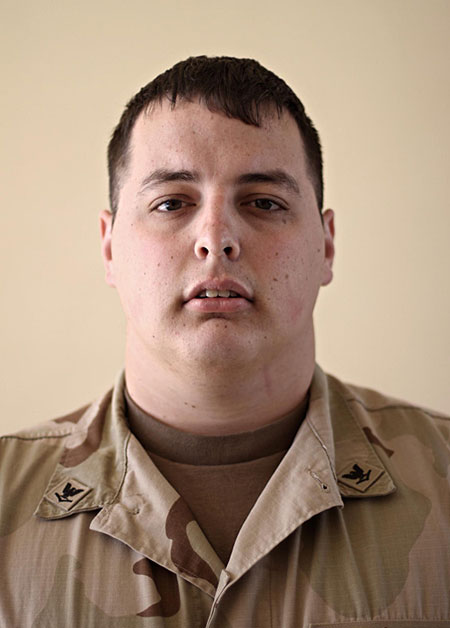
Petty Officer 2nd Class
Luis Rivera
He works in information technology and volunteers to receive casualties as they arrive at the hospital. He's stationed in Virginia Beach.
How has this trip affected you?
"I feel like I've grown up more. It makes me proud to be in the Navy. Knowing that I can help save lives is very profound. I feel like I'm doing my part in the war in Afghanistan. Seeing the Afghan kids is by far the hardest."
Luis Rivera
He works in information technology and volunteers to receive casualties as they arrive at the hospital. He's stationed in Virginia Beach.
How has this trip affected you?
"I feel like I've grown up more. It makes me proud to be in the Navy. Knowing that I can help save lives is very profound. I feel like I'm doing my part in the war in Afghanistan. Seeing the Afghan kids is by far the hardest."
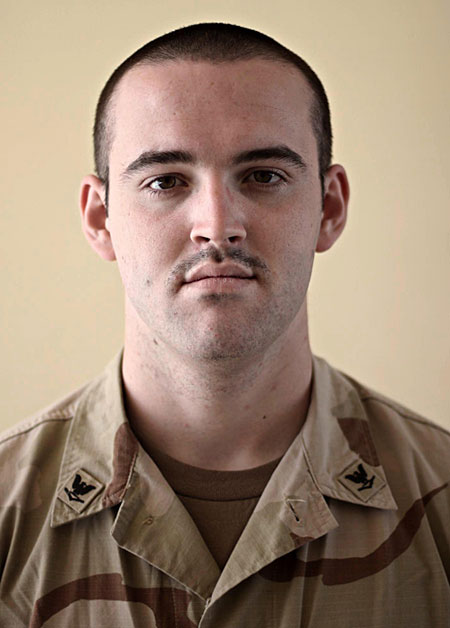
Petty Officer 3rd Class
Brian Flater
He works in information technology and volunteers to receive casualties as they arrive at the hospital. He is stationed at the Expeditionary Combat Readiness Center in Norfolk.
How has this trip affected you?
"I like the fact that what you're doing has a direct effect. Being here makes you grow up - you don't really have a choice."
Brian Flater
He works in information technology and volunteers to receive casualties as they arrive at the hospital. He is stationed at the Expeditionary Combat Readiness Center in Norfolk.
How has this trip affected you?
"I like the fact that what you're doing has a direct effect. Being here makes you grow up - you don't really have a choice."
Petty Officer 3rd Class
Stephen Spector
Normally stationed on the aircraft carrier Theodore Roosevelt, he works in information technology and helps with receiving casualties.
How has this trip affected you?
"Seeing the casualties definitely chokes me up. The other day when we had four casualties (two of which died), I couldn't sleep at all that night. I kept seeing their faces. Once you open the door, you never know what you're going to see."
Stephen Spector
Normally stationed on the aircraft carrier Theodore Roosevelt, he works in information technology and helps with receiving casualties.
How has this trip affected you?
"Seeing the casualties definitely chokes me up. The other day when we had four casualties (two of which died), I couldn't sleep at all that night. I kept seeing their faces. Once you open the door, you never know what you're going to see."
Lt. Cmdr. Dave Powell
Nurse with the NATO Role III Multinational Medical Unit. He is from New York City and works at Bellevue Hospital Center there. He trains for the Naval Reserve at Portsmouth Naval Medical Center.
How has this trip affected you?
"The thing that sticks in my mind is that I've seen American soldiers die. That's something that always stays with me. When I see a soldier injured, it does bother me."
Nurse with the NATO Role III Multinational Medical Unit. He is from New York City and works at Bellevue Hospital Center there. He trains for the Naval Reserve at Portsmouth Naval Medical Center.
How has this trip affected you?
"The thing that sticks in my mind is that I've seen American soldiers die. That's something that always stays with me. When I see a soldier injured, it does bother me."
Lt. Cmdr. Jeff Lightfoot
Trauma Team leader at the NATO Role III Multinational Medical Unit. Lightfoot did his residency at Portsmouth Naval Medical Center.
How has this trip affected you?
"The biggest thing is just seeing all the trauma. I've seen a lot of trauma, but the blast injuries, coupled with the violence against children, really highlights how bad war is. It gives my job a greater sense of purpose. The thing we all worry about is how will this affect us? Hopefully it won't."
Trauma Team leader at the NATO Role III Multinational Medical Unit. Lightfoot did his residency at Portsmouth Naval Medical Center.
How has this trip affected you?
"The biggest thing is just seeing all the trauma. I've seen a lot of trauma, but the blast injuries, coupled with the violence against children, really highlights how bad war is. It gives my job a greater sense of purpose. The thing we all worry about is how will this affect us? Hopefully it won't."
Petty Officer 1st Class
Mark Ellington
Works in administration. He lives in Norfolk.
How has this trip affected you?
"I would say I'm more appreciative of life, because it's very fragile. You can see how easily things can get very bad. You see raw stuff, like bones sticking out. You don't feel as invincible - any given day your ticket can be punched, your time could be up, you could be killed."
Mark Ellington
Works in administration. He lives in Norfolk.
How has this trip affected you?
"I would say I'm more appreciative of life, because it's very fragile. You can see how easily things can get very bad. You see raw stuff, like bones sticking out. You don't feel as invincible - any given day your ticket can be punched, your time could be up, you could be killed."
Cmdr. Rick McCarthy
Director of administration. He is from Chesapeake and works as the chief information officer at Portsmouth Naval Medical Center
How has this trip affected you?
"I miss my family, and I definitely appreciate the life with them back home. It makes me more focused on spending time with them when I get back. It also makes me more sensitive to my kids - seeing the amount of death we've seen, focusing on appreciating the life we have. I can't tell you how many times I've picked up a double amputee. The things you see on TV are very different than in reality."
Director of administration. He is from Chesapeake and works as the chief information officer at Portsmouth Naval Medical Center
How has this trip affected you?
"I miss my family, and I definitely appreciate the life with them back home. It makes me more focused on spending time with them when I get back. It also makes me more sensitive to my kids - seeing the amount of death we've seen, focusing on appreciating the life we have. I can't tell you how many times I've picked up a double amputee. The things you see on TV are very different than in reality."
 About the series
 Reporter Corinne Reilly, left, and photographer Ross Taylor are spending two weeks in Afghanistan for a series of articles that will appear this summer.


Click an image above to view the item in slideshow.